
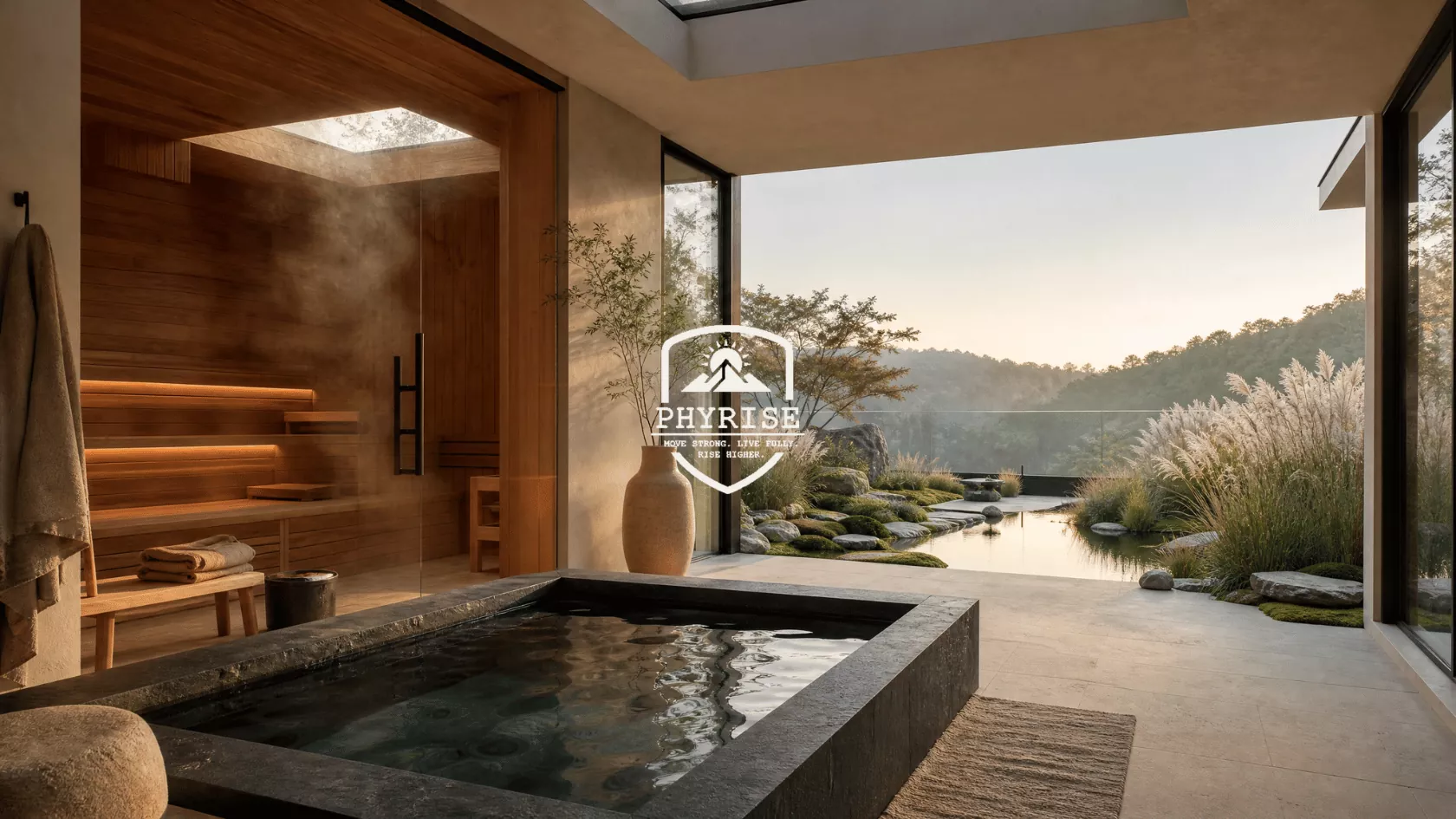
In a world shaped by constant notifications, crowded schedules, and an always-on culture, wellness is becoming more than a routine. It is becoming an architectural priority.
The spaces around us influence how we breathe, move, focus, sleep, and recover. A thoughtfully designed environment can lower the volume of daily life and give the nervous system room to reset. It can invite stillness in the morning, energy in the afternoon, and deeper rest at night. This is the promise of wellness-centered design: not simply making a space look serene, but creating an experience that helps people feel restored.
From heat experiences and cold plunges to meditation gardens and light-filled retreats, today’s most compelling wellness spaces combine sensory comfort, natural materials, and purposeful transitions. They recognize that rejuvenation does not come from one feature alone. It emerges from a sequence of moments that support the body and mind.
Traditional wellness spaces often focused on amenities: a gym, a spa, a pool, or a treatment room. While these elements remain valuable, contemporary wellness design takes a more holistic view. It considers the complete journey through a space, including arrival, anticipation, activity, recovery, and return.
This approach asks important questions. Does the entry feel calm or abrupt? Is there a visual connection to nature? Are users given places to pause between activities? Can the space accommodate both social connection and solitude? Are temperature, sound, scent, texture, and light working together to create a coherent atmosphere?
The answers shape an environment that feels intuitive rather than prescriptive. A wellness space should not demand constant performance. Instead, it should make healthier choices feel natural by offering comfort, clarity, and gentle opportunities to slow down.
Natural materials are central to this experience. Timber, stone, clay, linen, and textured plaster introduce warmth and tactility. Their imperfect surfaces remind us that wellness does not have to be sterile or overly polished. When paired with durable construction and responsible sourcing, these materials can create interiors that feel grounded, timeless, and connected to the landscape.
The sauna is one of the clearest examples of a wellness feature becoming a meaningful spatial ritual. At its simplest, it is a heated room. At its best, it is a carefully choreographed setting for rest, reflection, and release.
A successful sauna experience begins before the heat. The transition into the room should feel deliberate, perhaps through a dimmer corridor, a change in flooring, or the subtle scent of wood. Inside, the design can remain restrained: clean lines, low visual clutter, and materials that age beautifully under repeated exposure to heat and humidity.
The relationship between the sauna and its surroundings is equally important. A carefully framed view of trees, water, or sky can deepen the sense of immersion. In more private settings, a small aperture or skylight may be enough to connect the bather with changing daylight. The goal is not spectacle, but awareness.
Ventilation, ergonomics, and maintenance are essential to the quality of the space. Benches should support multiple postures and body types. Lighting should be soft, indirect, and easy on the eyes. Controls should be intuitive. Details such as towel storage, hydration stations, cooling areas, and slip-resistant surfaces ensure that the experience remains both beautiful and practical.
Most importantly, the sauna should be understood as part of a wider cycle. Heat can be followed by rest, hydration, gentle movement, or a carefully considered cooling experience. When the sequence is designed as a whole, the sauna becomes more than an amenity; it becomes a recurring ritual that helps users mark a boundary between activity and recovery.
Cold plunges bring a different kind of energy to wellness design. Where the sauna encourages gradual surrender to warmth, cold water creates an immediate encounter with the present moment. The experience can feel invigorating, clarifying, and intensely sensory.
The design challenge is to balance excitement with calm. A cold plunge may be visually striking, but it should not feel aggressive or disconnected from the rest of the environment. Stone surrounds, quiet water surfaces, restrained lighting, and natural views can help frame the plunge as a mindful practice rather than a dare.
Placement matters. A plunge pool positioned beside a sauna supports a clear hot-and-cold circuit, while one located near a garden or open-air terrace can emphasize the connection between water and landscape. The route to and from the plunge should be safe, private, and easy to navigate. Warm towels, seating, hydration, and a sheltered recovery zone can transform a demanding moment into a complete restorative sequence.
Designers should also consider accessibility and personal choice. Not every visitor will want to participate, and not every body responds to cold in the same way. A strong wellness environment provides alternatives, clear information, and areas for observation without making nonparticipation feel like failure. The true measure of a wellness space is not how intensely it challenges people, but how thoughtfully it supports them.
A meditation garden does not need to be expansive. Even a small courtyard, balcony, or planted threshold can offer a powerful counterpoint to indoor life. What matters is the garden’s ability to focus attention and create a sense of separation from ordinary pace.
The most effective meditation gardens use nature as a guide rather than a decoration.
Plants are selected for seasonal change, texture, fragrance, movement, or sound. Grasses may shift in the wind. A tree may cast changing shadows across a path. Water may provide a gentle auditory backdrop. A stone, bench, or patch of moss may invite the eye to rest.
Spatial simplicity is often more valuable than visual abundance. A garden with a few carefully composed elements can feel more restorative than one filled with competing colors and forms. Pathways may slow the body through subtle changes in direction or surface. Seating can be positioned to face a meaningful view rather than a busy circulation route. A low wall, screen of foliage, or change in elevation can establish privacy without creating complete isolation.
The garden should also be allowed to change. Seasonal variation reinforces the idea that wellness is not a fixed state. Some days are bright and expansive; others are quiet and inward. A landscape that reveals new details over time encourages return visits and rewards unhurried attention.
Light is one of the most influential materials in a wellness environment. It affects mood, orientation, alertness, and the perceived rhythm of the day. A light-filled retreat uses illumination not simply to brighten a room, but to create an evolving relationship between interior life and the natural world.
Daylight is most effective when it is layered. Large windows can provide openness and views, while clerestories, skylights, and filtered openings introduce softer illumination deeper into the plan. Sheer curtains, timber screens, and textured glass can reduce glare while preserving a connection to the outdoors.
The changing quality of daylight gives a retreat a natural rhythm. Morning light can energize a movement studio or breakfast area. Diffused midday light can support reading, treatment, or quiet work. Warm evening illumination can help the body transition toward rest. Artificial lighting should complement this cycle through dimmable sources, indirect fixtures, and warmer color temperatures after sunset.
A light-filled space should not be confused with a glass box. Privacy, shade, thermal comfort, and acoustic control are just as important as transparency. Deep overhangs, exterior planting, operable screens, and high-performance glazing can make openness feel comfortable rather than exposed. A retreat restores when it offers both connection and refuge.
The most restorative wellness spaces are often defined by what happens between the major features. A narrow passage can prepare the body for a sauna. A sheltered bench can extend the experience of a cold plunge. A planted threshold can shift attention before someone enters a meditation room. These transitions give the mind time to change gears.
Designers can create transition through scale, material, sound, temperature, and pace. A high, bright room may lead into a low, quiet chamber. Smooth flooring may give way to warm timber. The sound of mechanical systems may fade as one approaches a garden. Such changes are subtle, but they help users understand that they have entered a different mode of experience.
This is where wellness design becomes more than a collection of beautiful rooms. It becomes a choreography of attention. Each threshold offers a small invitation: breathe more slowly, notice the light, feel the ground, or leave the phone behind.
Wellness spaces should not be reserved exclusively for luxury resorts or private residences. The principles can be adapted to hotels, workplaces, apartment buildings, healthcare settings, and community spaces. A quiet room, a shaded terrace, a water feature, or a comfortable place to sit near a window can make a meaningful difference.
The most inclusive approach begins with flexibility. Spaces should support a range of ages, abilities, cultural preferences, and sensory needs. Some people recover through solitude; others benefit from gentle social connection. Some seek movement and stimulation; others need low light and quiet. A diverse palette of experiences allows wellness to remain personal rather than prescriptive.
Maintenance is part of the design as well. A neglected garden, malfunctioning plunge, or harshly lit retreat quickly loses its restorative character. Durable materials, clear operational planning, accessible storage, and easy-to-maintain planting are not secondary considerations. They are what allow the original vision to remain alive over time.
Wellness, reimagined, is not about escaping life completely. It is about creating places that help us return to life with greater clarity and capacity. The sauna teaches release. The cold plunge offers presence. The meditation garden restores attention. The light-filled retreat reconnects us with the passage of time.
Together, these spaces reflect a broader shift in how we understand design. The most successful environments are not merely visually impressive. They are emotionally intelligent. They anticipate the need for recovery, make room for individual choice, and use architecture and landscape to support the body’s natural rhythms.
As wellness becomes more deeply integrated into the places where we live, work, travel, and gather, the question is no longer whether a space includes a wellness feature. The more important question is whether the entire environment helps people feel more grounded, more awake, and more at home within themselves.
That is the real opportunity of wellness-centered design: to turn ordinary surroundings into sources of restoration, and to make renewal feel less like an occasional luxury and more like a natural part of everyday life.
